5. The Decentralized Social Media Generation Starts Now
Why You Should Dive Into This Chapter
- What does Web2’s Web3 pivot mean for DeSoc? Uncover whether it’s a threat or a growth driver for decentralized platforms.
- Where are the opportunities? Discover how entrepreneurs and creators can thrive by leveraging decentralized networks and hybrid ecosystems.
- How can users take control? See how DeSoc gives you ownership over your data, identity, and online experience.
- What’s next for social media? Identify the platforms and strategies shaping the decentralized future.
In the preceding chapters, we explored various DeSoc platforms, evaluating their strengths, limitations, and current user engagement models. We’ve discussed how Web3 innovations are redefining core aspects of social media — such as user ownership, data privacy, and the creator economy. However, as mentioned in Chapter 2, these advancements don’t exist in isolation.
Major Web2 platforms, with their massive user bases and strong network effects, are also beginning to integrate Web3 features. These platforms now compete directly with Web3-native networks like Farcaster, Lens, Bluesky, and Fantasy Top. At the same time, their embrace of blockchain-based tools can act as a catalyst for broader Web3 adoption.
“The main challenge to decentralized social is, of course, the network effects that have been deeply embedded and established by the existing social paradigm.” – David Sneider, Co-founder of Lit Protocol
This raises a crucial question for founders and entrepreneurs of Web3 businesses and creators alike:
Is the rise of Web2 platforms adopting Web3 features a threat to decentralized social applications, or could it accelerate the adoption of DeSoc models?
5.1 Web3 features on Web2 platforms — A danger or catalyst for DeSoc?
The most significant threat from Web2 social networks lies in their massive user bases, established network effects, and user trust. These are crucial elements that Web3-native DeSoc platforms like Farcaster are still striving to build. If a platform like Instagram fully embraces NFT-based profiles like Lens does, it could offer this feature to over 2.1 billion monthly active users, instantly dwarfing the reach of any DeSoc network. For founders and entrepreneurs entering Web3 and DeSoc, it’s essential to recognize both the potential and the challenges posed by Web2 platforms embracing Web3 features.
A closer look at Telegram’s open Web3 ecosystem
This is a quick reminder of what we established in Chapter 2. Telegram is an excellent example of a Web2 platform seamlessly integrating Web3 features. With its TON blockchain at the core, Telegram’s Web3 App Center allows users to explore and interact with decentralized services directly within the platform. This integration shows how Web2 platforms can leverage Web3 while maintaining user experience.
On the one hand, Web2 platforms embracing Web3 may help boost overall adoption. On the other hand, they can dilute the decentralization ethos that platforms like Farcaster and Lens prioritize, offering Web3 features without the full benefits of decentralization. We’ve listed some notable Web3 applications integrated into Telegram’s ecosystem:
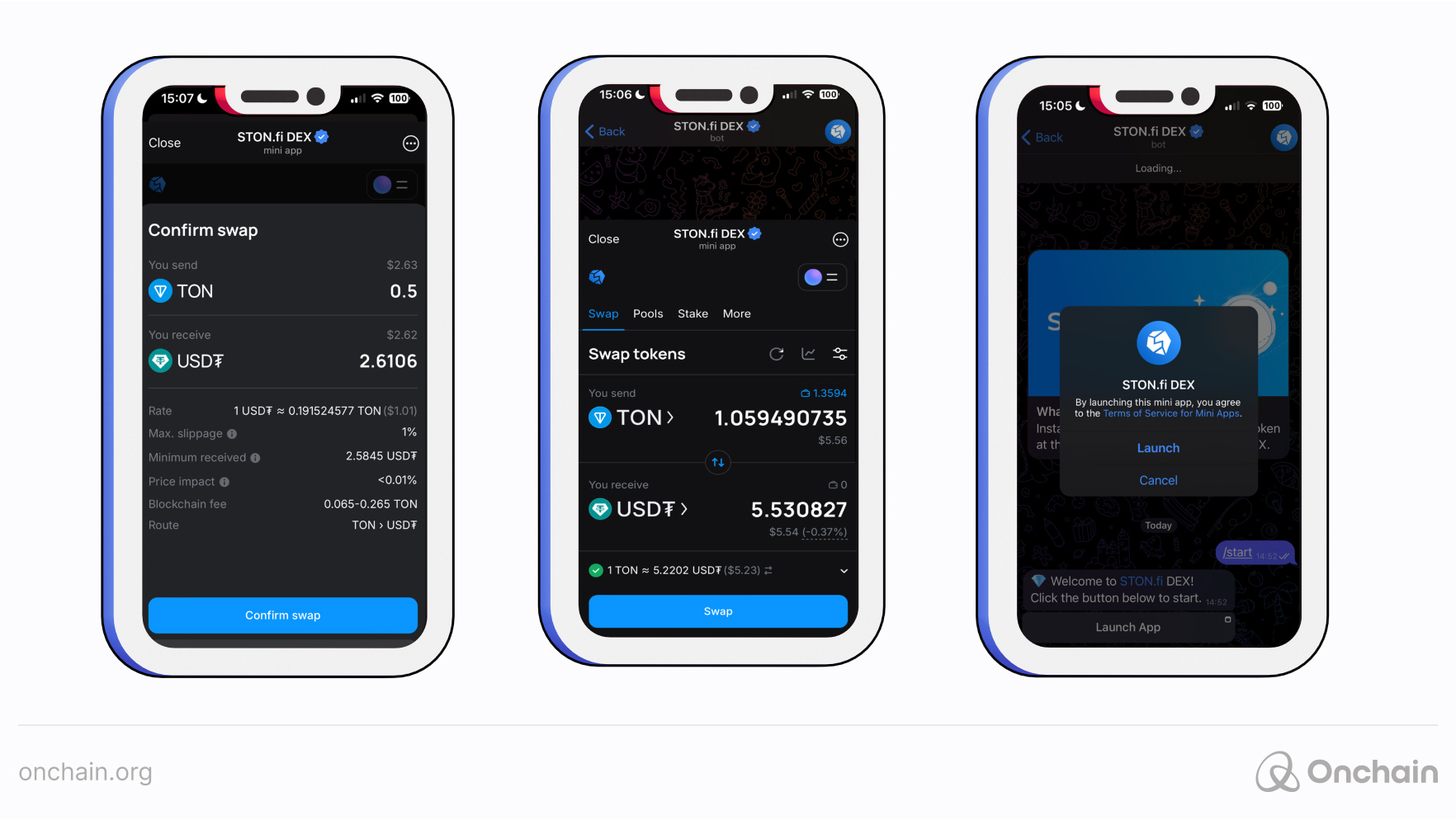
1. STON.fi (Decentralized Exchange):
- Feature: Enables instant token swaps, making Telegram a decentralized exchange.
- Impact: Lowers entry barriers to DeFi by allowing users to trade tokens within the app, making crypto more accessible to mainstream users.
2. Blockchain Games:
- Feature: Games like Notcoin, Rocky Rabbit, or Hamster Combat reward users with crypto tokens or NFTs.
- Impact: Introduces millions to play-to-earn ecosystems, blending gaming with decentralized finance.
Remember that Telegram’s ecosystem still needs to be bigger and more developed than blockchain ecosystems like Ethereum or Solana. Many of the applications, especially the blockchain games, are basic and speculative, with minimal real-world value or use cases.
They introduce users to Web3, but as of September 2024, the apps themselves offer little beyond token speculation and in-game rewards. Nevertheless, they illustrate the potential of the Telegram ecosystem and demonstrate how even simple dApps can achieve great popularity.

3. Telegram Wallet:
- Feature: Enables peer-to-peer crypto transactions, allowing users to send money globally.
- Impact: Facilitates easy, secure transactions, making Telegram an entry point for decentralized financial services.
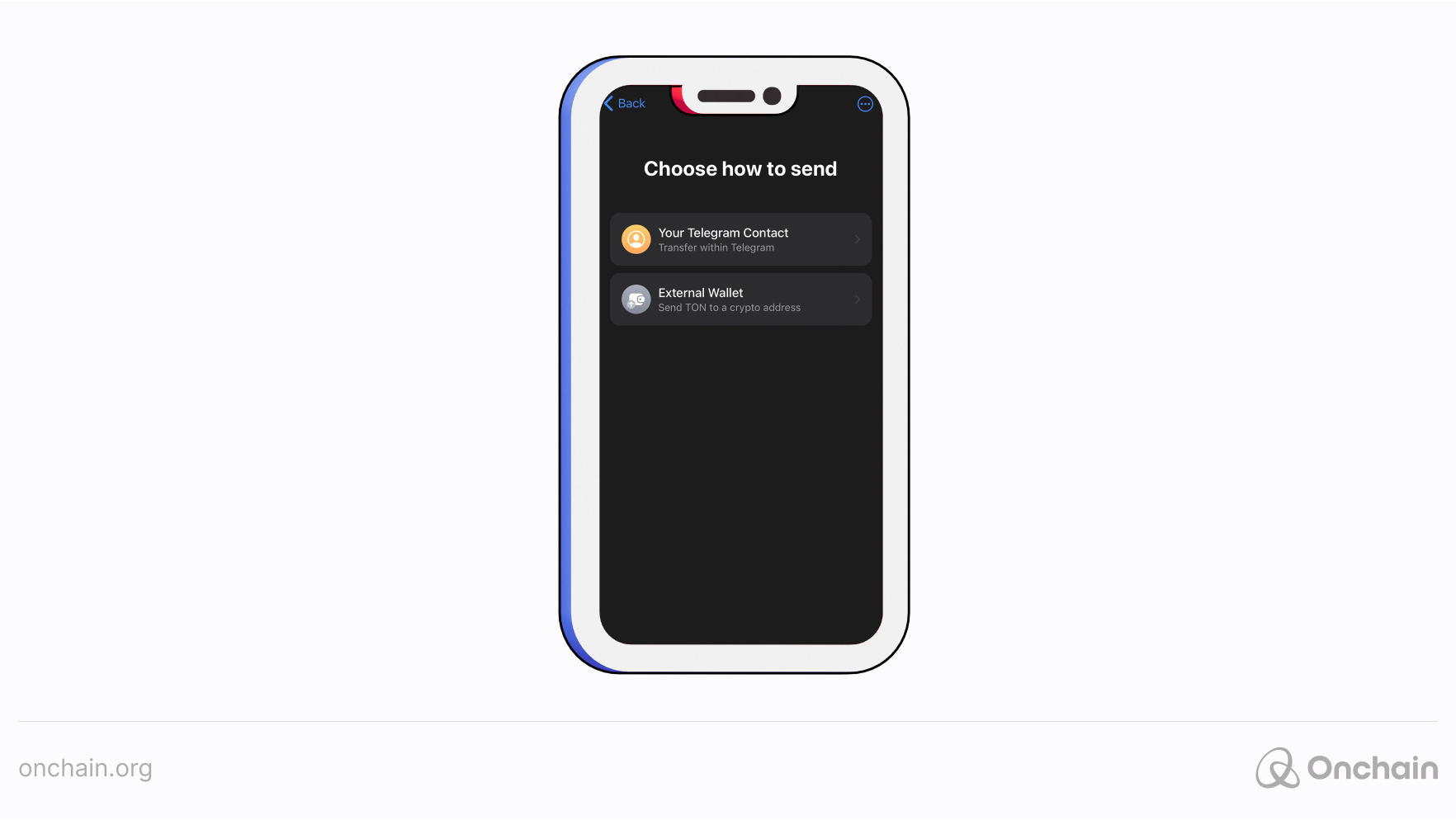
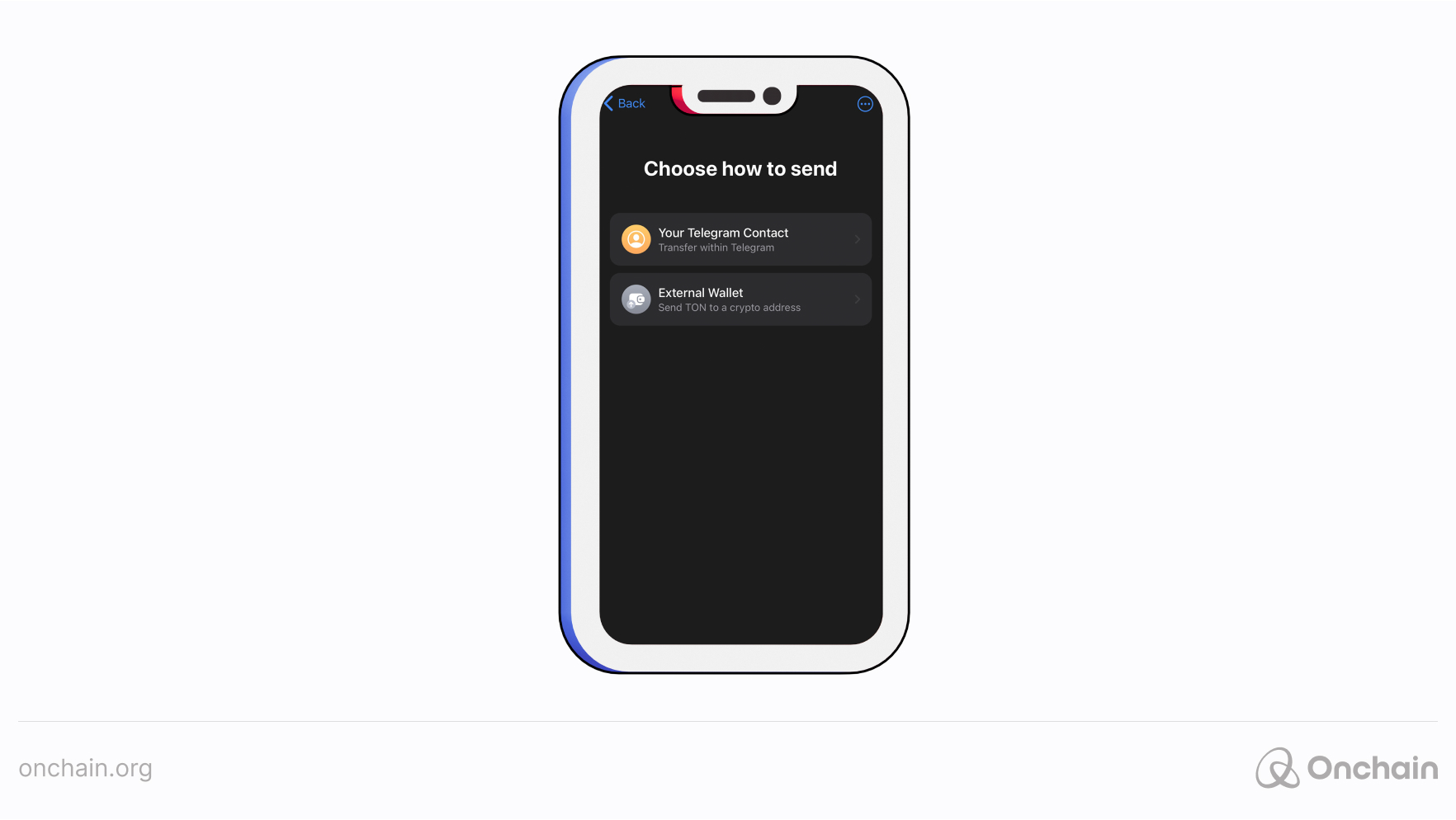
That said, the Telegram Web3 ecosystem offers many promising elements, particularly wallet integration and fiat-to-crypto trading (Telegram P2P Marketplace). These allow for seamless payments and crypto transactions directly within the app, offering creators and businesses a way to interact financially with their communities.
This offers founders and entrepreneurs an opportunity to build tools and services that bridge social interactions with real-world financial utility. You also gain the chance to integrate crypto payments into social experiences without having to exit the Telegram ecosystem.
The advantages are evident and mainly relate to convenience and accessibility. But it’s not all peaches and cream for those who seek control and ownership of their data or want to avoid the risks involved in being part of a centralized authority.
Web2 platforms integrating Web3 features come with one significant caveat — they remain centralized at their core. This means the platform itself remains subject to censorship and centralized control.
If Telegram’s leadership faces legal or political pressure, it could be forced to limit or restrict services or even confiscate user wallets — a concern highlighted when Telegram’s founder Pavel Durov was arrested. In contrast, Web3-native DeSoc platforms like Lens, OpenSocial, Farcaster, and Steemit are fully decentralized and blockchain-based. Therefore, they are inherently more complicated to censor, more resilient to outside control, and offer users genuine autonomy.
5.2 Opportunities in DeSoc for entrepreneurs, founders, influencers, and users
By now, you’re fully aware of the evolution from Web2 to Web3. Next, you want to know where, in this evolving space, the real, tangible opportunities await those who want to build, create, or expand their presence within DeSoc. Follow us as we explore the specific strategies developers, entrepreneurs, creators, and users should focus on. This will help you choose your path to leverage the changing social media landscape.
The competition between Web2 platforms and fully decentralized social platforms is intense, especially considering that some Web2 platforms already share significant revenue with creators. For instance, platforms like OnlyFans allow creators to retain 80% of their earnings. That’s a massive improvement over legacy social media.
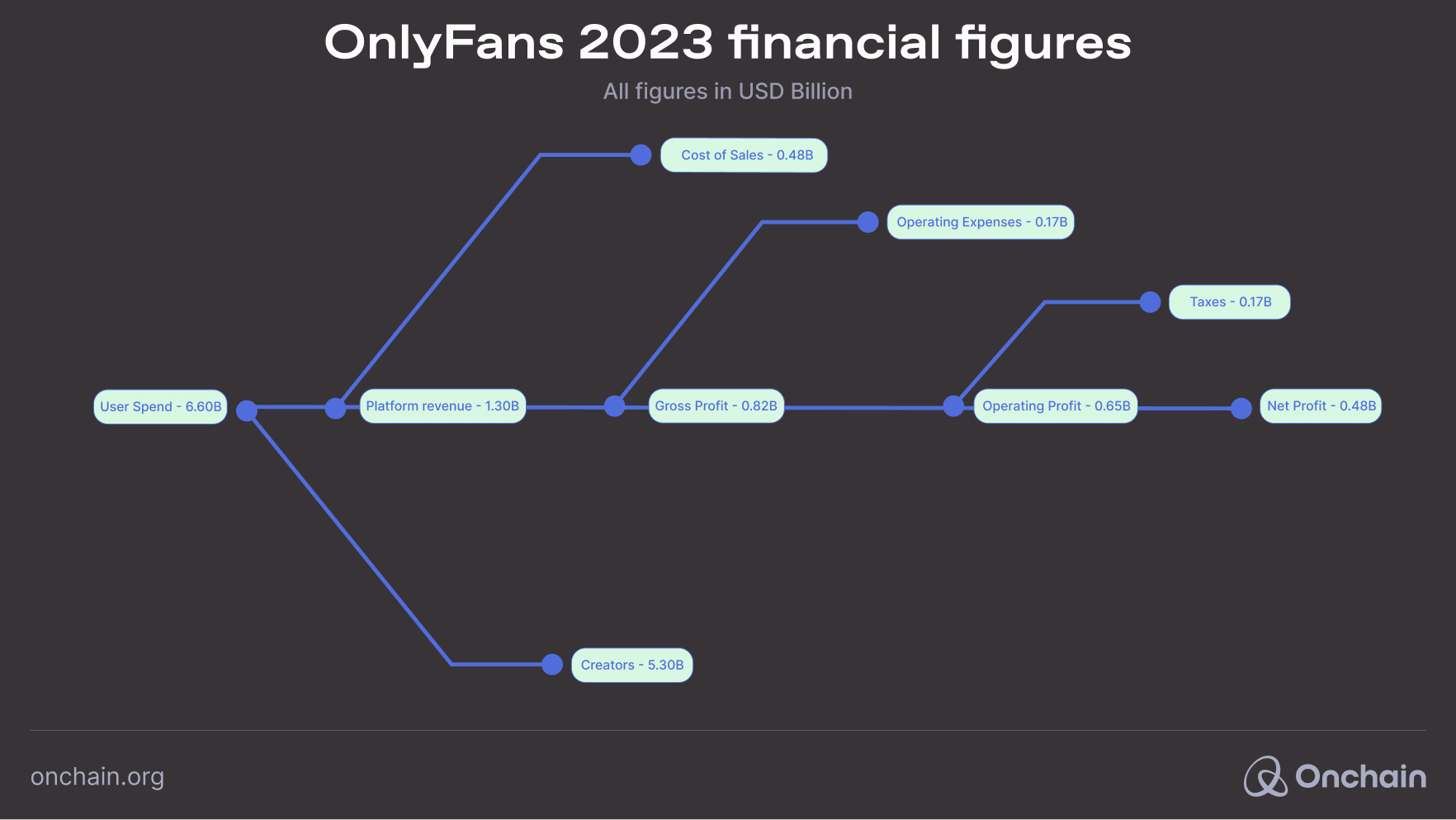
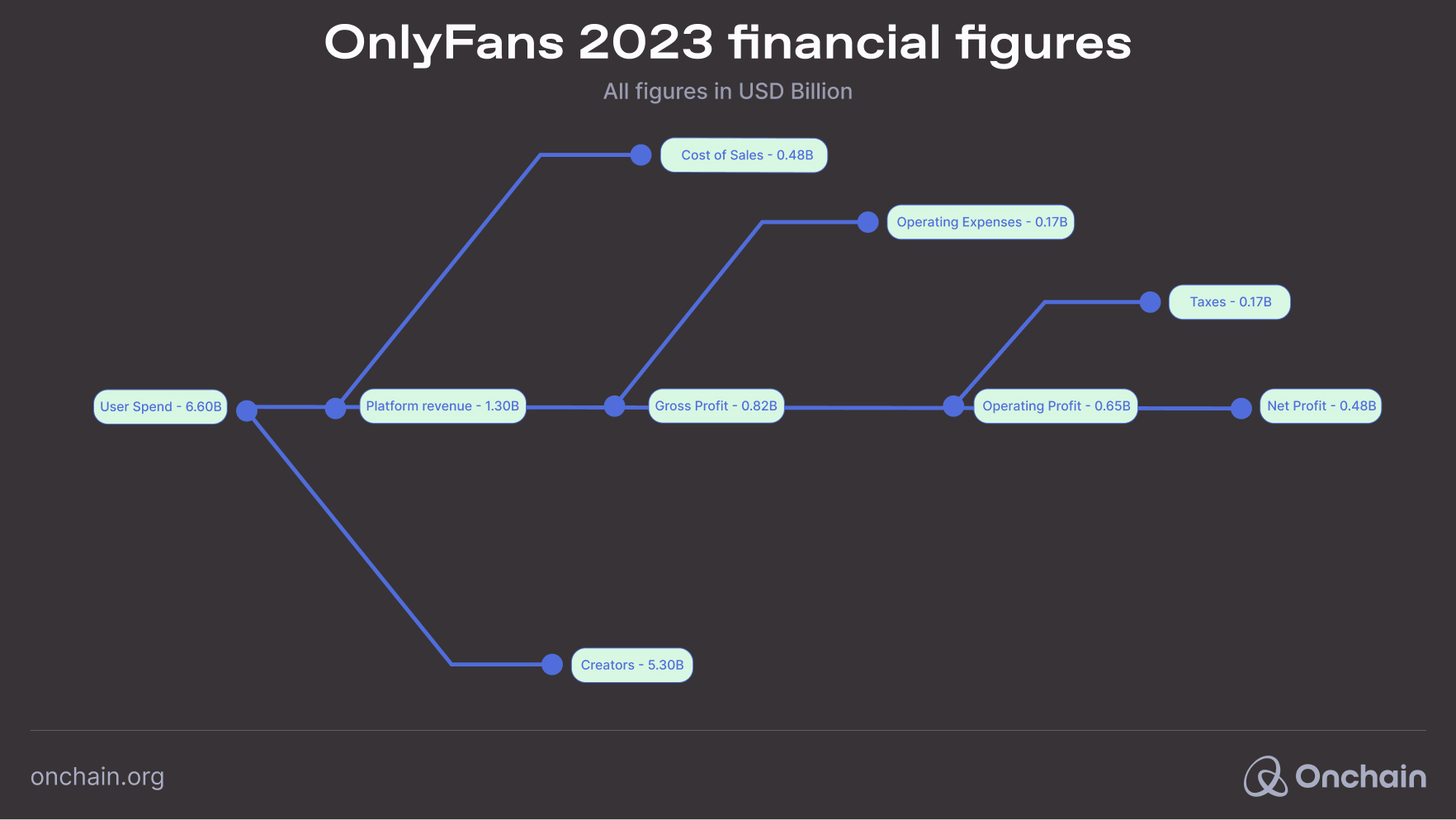
This creates a unique challenge for DeSoc-native platforms. Simply offering slightly higher revenue shares, such as 90% to 95%, won’t be enough to convince creators to transition. Switching to DeSoc also means additional user friction and costs for setting up wallets or managing private keys. Established Web2 platforms provide a smooth user experience that creators are familiar with, alongside network effects that are difficult to replicate by their decentralized counterparts.
1. Opportunities for founders and entrepreneurs: Creating the future infrastructure of social media
Currently, the quickest route to success in DeSoc is through Telegram and Discord. The platforms boast massive user bases that Web3 entrepreneurs can immediately tap into. With over 950 million monthly active users, the opportunity is immense. Here’s what you gain:
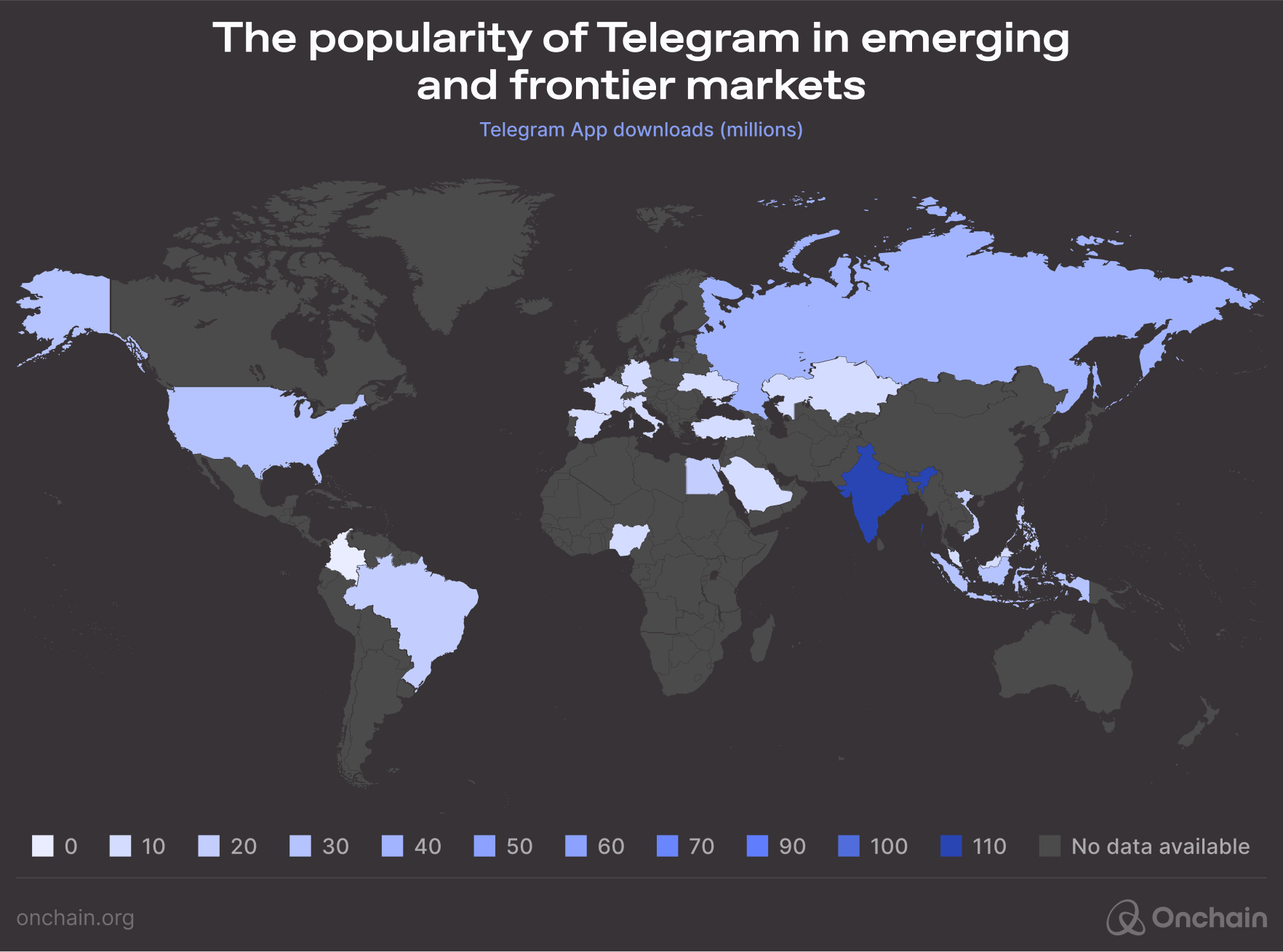
- Massive popularity in key demographics: Telegram is a dominant platform in the crypto community. The same goes for emerging markets where decentralized technology is gaining traction. These groups are early adopters, making them an ideal target for DeSoc integration.

- Established blockchain infrastructure: Founders and entrepreneurs can capitalize on the infrastructure and accelerate the growth of decentralized social applications. The TON blockchain integration serves as a vehicle to enable transactions, tokenization, and other forms of value transfer.
- Nascent app environment: It is crucial to move beyond basic tap-to-earn games. Developers should focus on meaningful, scalable solutions that merge social experiences with practical, real-world utilities. Think about wallet integrations for creators, direct monetization opportunities for users, or enabling interactions between social media communities and financial service providers. The opportunity here is to move Web3 from being a mere gimmick to an essential tool to enhance engagement.
We advise caution when relying on early-stage platforms that lack robust “real-world” use cases despite their growth potential. Such platforms will likely struggle to keep users interested beyond an initial hype, which could jeopardize the success of any projects you build on them.
Looking ahead, X seems poised to be the next Web2 platform to embrace Web3, likely during the 2025/2026 adoption cycle. X has shown interest in exploring cryptocurrency payments and blockchain-based identity features. With its massive user base, X could become a formidable player in the Web3 space, further intensifying the competition for DeSoc platforms.
X is likely an isolated case, though. The openness to Web3 may be the result of Elon Musk’s unique drive for innovation. David Sneider, Co-founder of Lit Protocol, believes that traditional Web2 platforms, like Instagram or TikTok, are unlikely to adopt Web3 features to the same degree as Telegram or potentially X.
“I don’t think they’re gonna implement Web3 mechanisms because it’s the antithesis of their business model.” – David Sneider, Co-founder of Lit Protocol
Sneider’s words stress the fundamental conflict legacy social media networks face with DeSoc. Decentralization ruins their core revenue models, such as ads and data monetization. For founders, this means focusing on platforms that are more inherently aligned with decentralization or that are actively experimenting with Web3 features.
What to build?
- Focus on Web2 platforms with Web3 integrations: Capitalize on the existing user base by creating dApps that enhance monetization (e.g., mini-games, token-gated communities, or blockchain-based reputation systems).
Example: Chinese Web3 game developers have successfully built viral mini-games and blockchain-based products on Telegram’s TON ecosystem.
- Target niche communities on Web3-native platforms: Web2 platforms provide scale. Web3-native platforms offer deep engagement for blockchain-savvy users. Examples are Lens, Farcaster, or niche social networks for Ethereum and its Layer 2s, Solana, or Aptos. These platforms cater to privacy-conscious users who value data ownership, transparency, and decentralization.
The real challenge for Web3-native DeSoc lies in improving the user experience. As technologies like account abstraction and zk-proof systems evolve, this friction will diminish, opening the door for seamless onboarding to fully decentralized platforms. For audiences who demand privacy, immutability, and full control, Web3-native platforms are uniquely positioned to serve them without the need for a Web2 middleman.
2. For creators and businesses: Maximizing monetization and audience engagement
In the immediate term, influencers and creators can capitalize on Web2 platforms with integrated Web3 features. You can enhance monetization strategies without abandoning your established audience. Our prime examples, Telegram and Discord, are ideal for getting started.
Leveraging Web2 platforms with Web3 features
- Build tokenized communities: Launch social tokens or NFT-gated fan clubs that provide exclusive access to content, events, or even one-on-one interactions. This works particularly well for influencers with large audiences on Telegram or Discord.
- Leverage existing network effects: Focus on platforms where your audience is already engaged. You don’t need to educate them on wallets or onboarding—they’ll seamlessly engage with your Web3 content using familiar tools.
That’s all very theoretical, and it may help to look at it with an example, such as NFT-gated access on Discord.
Imagine you’re running an exclusive NFT community for an AI Web3 group that offers premium market analysis and insights. Your goal is to monetize your content while building a loyal and engaged community. By leveraging Discord, where your audience feels at home, you can integrate Web3 features to create a secure, exclusive environment for your members.
How would you do it?
1. Issue exclusive NFTs:
- Step 1: Create membership NFTs: Design unique NFTs that serve as digital membership passes to your premium content. These NFTs can be minted on popular blockchain platforms like Ethereum or Solana.
- Step 2: Sell or distribute NFTs: Offer these NFTs for sale on NFT marketplaces or directly through your website. This initial sale generates immediate revenue and establishes a sense of exclusivity.
Onchain’s Membership NFTs are an excellent example of how utility-based NFTs can go beyond art. Our utility NFTs offer access to reports and other exclusive content, a token-gated Discord channel, and even future airdrops. Onchain’s Founding Membership is limited to 2,500 NFTs that also provide lifetime discounts and the world’s first Web3 Insights Marketplace. This is a unique opportunity for entrepreneurs and founders to create tokenized membership communities with tangible value.
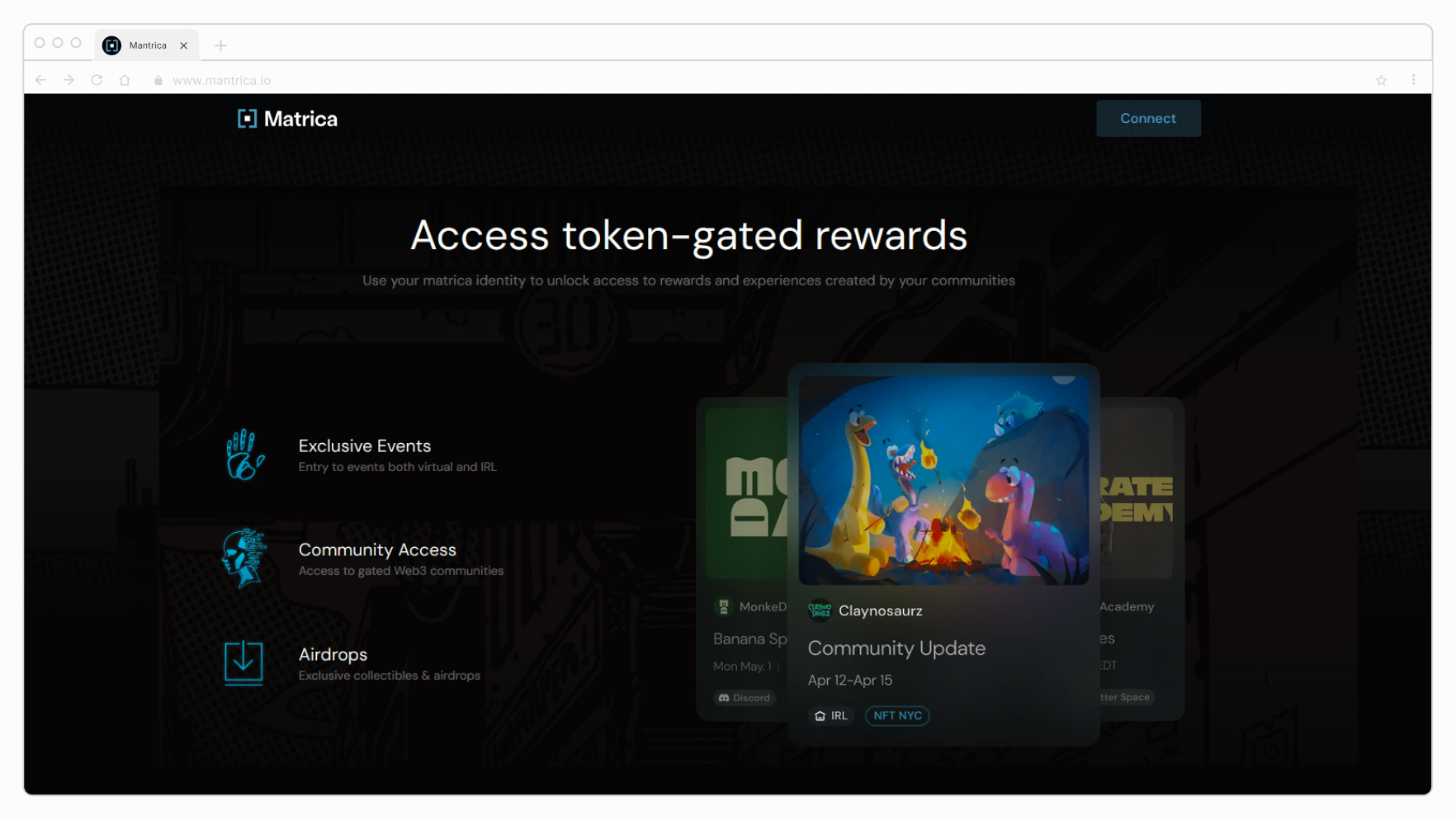
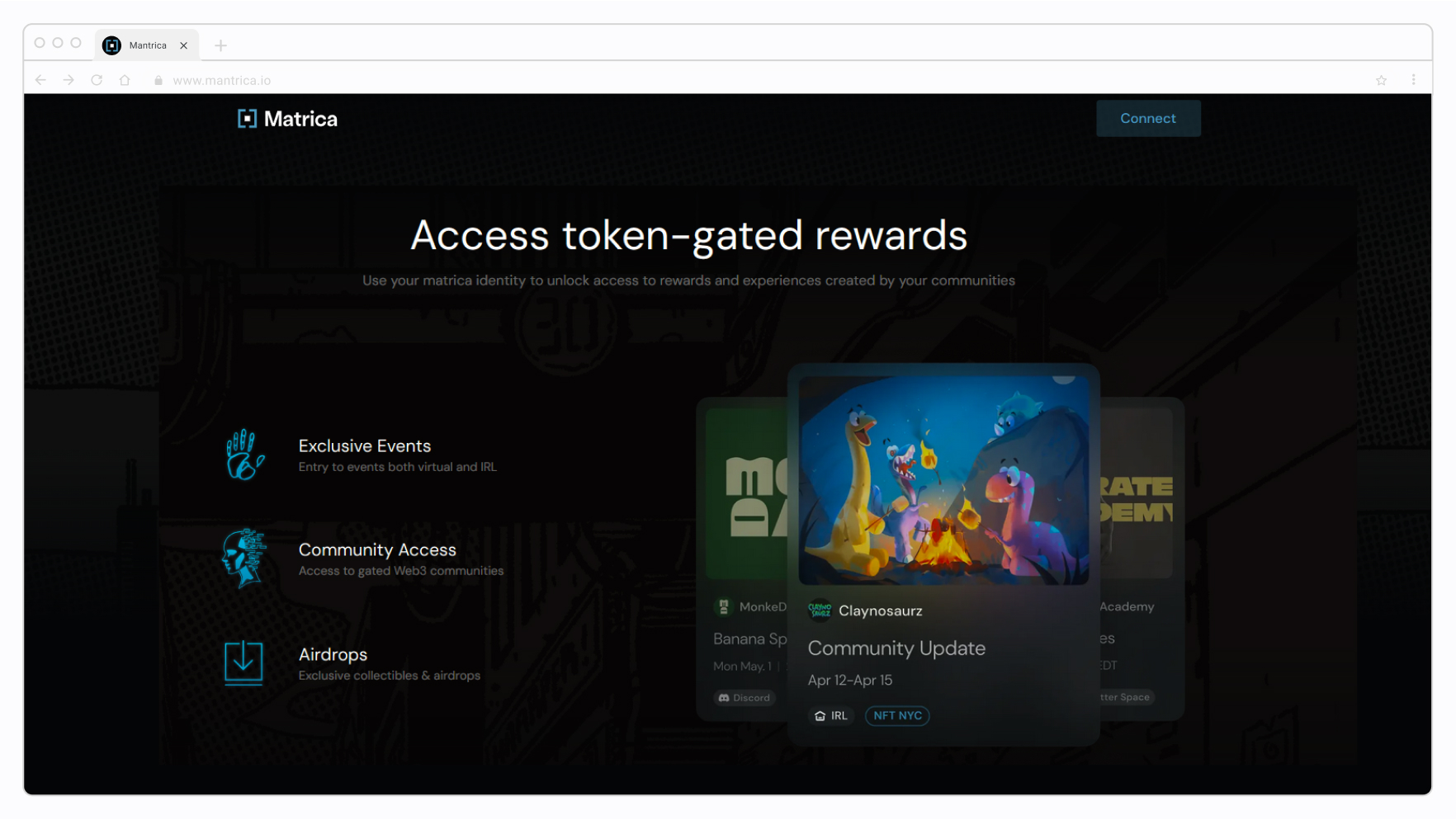
2. Set Up NFT verification bots with Matrica.io:
- Step 1: Integrate Matrica bot: Matrica.io offers an NFT verification bot specifically designed for Discord. Install the Matrica bot on your Discord server.
- Step 2: Configure the bot: Set up the bot to automatically verify if a user owns the required NFT in their connected Web3 wallet.
- Step 3: User authentication: Members connect their Web3 wallets to Matrica.io, which securely checks for NFT ownership without exposing private keys.
4. Create exclusive channels:
- Step 1: Set up private channels: Within your Discord server, create channels that are only accessible to verified NFT holders.
- Step 2: Automate access control: The Matrica bot assigns roles or permissions based on NFT ownership, granting or revoking access to channels as needed.
5. Offer premium benefits:
- Step 1: Exclusive content: Provide access to in-depth research reports, market analyses, or proprietary data that aren’t available elsewhere.
- Step 2: Live interactions: Host webinars, AMA (Ask Me Anything) sessions, and live chats where members can interact directly with analysts or experts.
- Step 3: Community engagement: Encourage discussions among members, fostering a collaborative environment where they can share insights and network.
Real-world scenario:
Let’s say “Alpha Crypto Research” is a company that provides cutting-edge market insights. Here’s how they might use this system:
- Issuing NFTs: They mint 500 “Alpha Membership” NFTs, each granting access to their exclusive Discord community.
- Selling NFTs: These NFTs are sold on a platform like OpenSea or directly through their website.
- Member onboarding: Buyers connect their wallets via Matrica.io to verify ownership and gain access to the Discord server.
- Providing value: Members receive daily trading signals and weekly market analysis reports and can participate in monthly strategy webinars.
- Building a community: The Discord server becomes a hub for members to discuss trends, share strategies, and collaborate on investment opportunities.
By integrating Matrica.io’s NFT verification with Discord, you create a powerful platform that merges the familiarity of Web2 with the innovative potential of Web3. This approach allows you to monetize your expertise effectively while building a dedicated community around your brand. It exemplifies how decentralized technologies can enhance traditional platforms to provide new value to businesses and their audiences.
Building a presence on Web3-native platforms
For creators and businesses focused on long-term brand control and authentic engagement, being early on Web3-native platforms like Lens, OpenSocial, or Farcaster can also be interesting. Web3-native, entirely decentralized platforms let creators leverage NFTs, governance tokens, and direct crypto payments to monetize in ways that even Telegram and Discord Web3 integrations cannot match.
Additionally, your content cannot be censored or removed arbitrarily, which is a threat even on Discord and Telegram. Businesses and creators can directly engage with a Web3-aligned audience that values decentralization, data ownership, and blockchain innovation.
Farcaster as a practical example:
For creators and businesses seeking to connect with the Ethereum-aligned community, Farcaster offers a unique opportunity:
- Direct access to the target audience: Engage with users who are genuinely interested in Ethereum, DeFi, and decentralized applications.
- Establish authority: Early adopters can position themselves as key voices within the community, attracting more followers and opportunities.
- Influence platform development: Your active participation can help shape Farcaster’s features to serve your needs better.
- Capture market share: With fewer users currently on the platform, you have a greater chance of standing out and building a dedicated following.
Practical example: An Ethereum influencer on Farcaster
Imagine you’re an Ethereum influencer or a blockchain development firm aiming to deepen your engagement with the Web3 community. By establishing a presence on Farcaster, you can:
- Share valuable insights: Post about Ethereum updates, protocol developments, and trends in decentralized finance.
- Participate in discussions: Engage with other users by commenting on posts, answering questions, and contributing to conversations. You’ll build relationships and establish yourself as a thought leader.
- Showcase your work: Share progress on your Ethereum-based projects, including new features or partnerships, and create educational content to help others understand complex concepts.
- Leverage Web3 features: Mint NFTs related to your work. This could include digital art or access tokens for special events, and offer exclusive access to followers who hold your tokens or NFTs.
- Collaborate with peers: Connect with other influencers and developers to share ideas, collaborate on projects, or co-host events, fostering a robust and engaged community around your brand.
3. Opportunities for users: Full control over identity, data, and engagement
Decentralized social networks empower you to establish self-sovereign identities. You own and manage your digital identity without relying on centralized authorities that determine what, where, and how your data can be shared. With decentralized social graphs and blockchain-based authentication, you can:
- Maintain privacy
- Ensure portability
- Achieve resilience against censorship
Ownership of data is another significant advantage. Traditional platforms often collect and monetize user data without explicit consent. DeSoc platforms give you control over your data in different ways:
- Complete control over data usage
- Effective data monetization
- Ensured data security
With the help of enhanced engagement and rewards, you turn from being a passive consumer into an active participant You can:
- Earn rewards for participation
- Participate in and influence governance
- Support creators directly
Practical example: Empowering users on DeSoc platforms
“Decentralized platforms are rewriting the rules of engagement, turning consumers into creators and followers into stakeholders.” Ambreen Khral, Market Researcher
Imagine you’re an active member of the Ethereum community and join a DeSoc platform like Lens Protocol. You can:
- Create a decentralized profile: You are the owner of your profile, meaning you control how it’s used and shared across the network.
- Monetize your contributions: Write articles or share insights about Ethereum developments. Mint your posts as NFTs and allow others to purchase or support your work directly.
- Participate in platform governance: Use governance tokens to vote on proposals, influencing the platform’s direction to align with community values.
- Secure communications: Engage in conversations knowing that your data is neither exposed nor exploited for advertising purposes.
Why embrace DeSoc platforms now?
- Shape the future: As an early adopter, you can influence how these platforms develop, ensuring they prioritize user needs.
- Build valuable connections: Connect with like-minded individuals who value privacy, autonomy, and decentralization.
- Access exclusive opportunities: Emerging DeSoc platforms offer special perks for early joiners. The Farcaster team, for example, has hinted at a possible airdrop for its early adopters. Similarly, platforms like OpenSocial and Lens Protocol could distribute tokens to their communities in the near future. These tokens may grant you governance rights and access to exclusive features or even have monetary value as the platform gains popularity, which may no longer be offered at a later stage.
Getting started as a user:
- Step 1: Explore DeSoc platforms: Sign up for networks like Farcaster, Lens Protocol, OpenSocial, or DSCVR to gain greater control over your online presence. Explore and experiment with their unique features and discover which suits you.
- Step 2: Set up a digital wallet: Use a reliable cryptocurrency wallet such as MetaMask, PassApp, or WalletConnect. These wallets will help you manage your self-sovereign identity and assets securely.
Sponsored by Pass App
Find your passion, onchain
Discover personalized web3 opportunities with the most seamless and safe smart wallet.
Visit the Pass App website
- Step 3: Actively engage: Participate in governance, contribute content, and interact with the community to maximize your benefits.
6. Conclusion
Decentralized social media networks are still in their early stages and already face significant competition from platforms like Telegram and Discord, which are steadily integrating Web3 features. While X appears positioned to adopt more Web3 elements, regulatory hurdles may slow its progress. Should X and other traditional social media platforms move deeper into Web3, DeSoc-native platforms will face even more significant challenges.
That said, if these larger platforms are slow to embrace Web3 fully, DeSoc projects will have a unique opportunity to carve out their space. DeSoc platforms must prioritize rapid growth, leveraging market cycles with strategies like airdrops and network effects to accelerate adoption.
“The biggest challenge for DeSoc platforms is bootstrapping growth and creating network effects to compete with established giants like Facebook. DeSoc must scale rapidly, leverage airdrops, and offer compelling features to drive adoption.” — Leon Waidmann, Head of Research at Onchain
Web3-native platforms like Farcaster or Lens hold a fundamental advantage as they are natively integrated into the Web3 ecosystem. This allows them to adopt new features and innovations rapidly. Additionally, they are more closely aligned with the ideals of decentralization and user ownership, which resonates with the Web3 community.
Platforms focused on specific ecosystems, such as Farcaster’s focus on Ethereum or potential networks tied to Solana, Sui, or other strong communities, seem best positioned for long-term survival. These community-driven platforms — much like Telegram’s TON-based ecosystem, have the advantage of a dedicated user base, which is crucial for thriving amid competition from larger, more established platforms.